
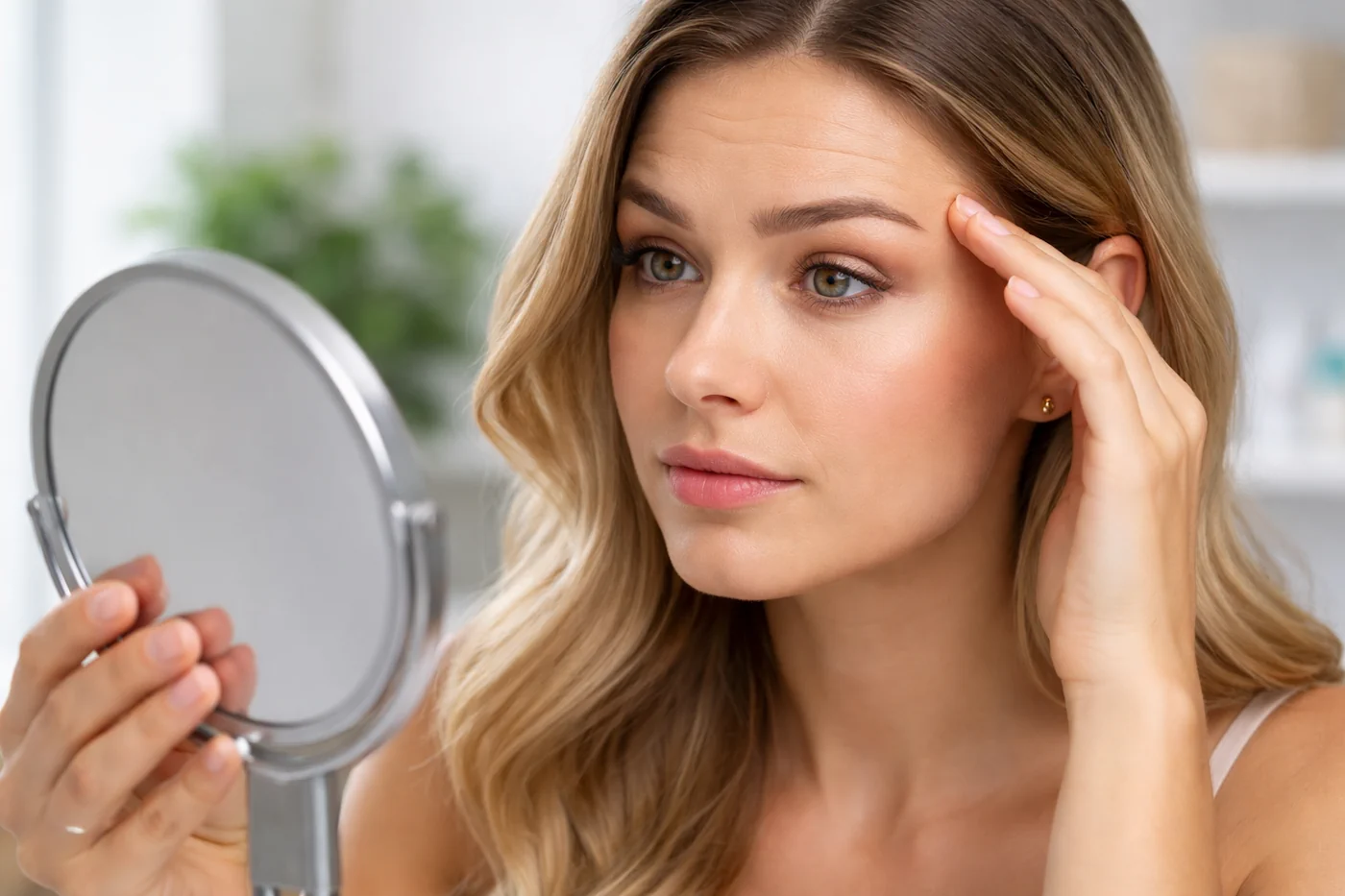
Eyebrow Tattoo Fading Colours – What Happens & Why?
Eyebrow tattoos do not stay the same forever. Fresh pigment looks bold, crisp, and sharply defined. Months later, the tone softens. In some cases, it shifts. Clients often notice their brows turning ashy grey, reddish, or even slightly blue-toned.
This change can be alarming if you do not expect it. Yet fading forms part of the natural life cycle of permanent makeup.
Understanding what happens beneath the skin helps you manage colour changes with confidence.
How Eyebrow Tattoo Pigment Sits in the Skin
During a brow tattoo procedure, a technician implants pigment into the upper dermal layer. The depth matters. Too shallow, and the pigment fades quickly. Too deep, and the tone may blur or cool.
Your immune system reacts immediately. White blood cells begin breaking down foreign particles. Some pigment disperses during healing. Some remain trapped in the dermis. Over time, your body continues to metabolise these particles.
That gradual breakdown leads to fading.
Skin type, age, hormones, and lifestyle all influence the speed of this process.
Why Brows Fade to Grey or Ash
Grey fading ranks as the most common concern. It often occurs when technicians use pigments with a heavy black carbon base. Black contains strong cool undertones. As warmer particles break down first, the remaining base appears cooler. That shift creates an ashy effect.
Sun exposure accelerates this shift. Ultraviolet light breaks down pigment molecules. Cool tones linger longer. Without regular colour boosts, brows can lose warmth and appear flat.
Incorrect pigment choice also plays a role. A shade too dark for the client’s natural undertone will not soften evenly. Instead, it heals dense and cool.
Why Some Brows Turn Red or Orange
Red or orange fading stems from the opposite issue. When pigment contains strong warm undertones, the darker components fade first. What remains appears warm and rusty.
This often happens with older pigment formulas. In the past, iron oxide heavy blends dominated the industry. These pigments broke down unevenly. Modern hybrid pigments reduce that risk, but poor technique or incorrect shade selection can lead to warmth surfacing over time.
Clients with oily skin may notice quicker warmth shifts. Oil increases pigment dispersion. As depth changes microscopically, undertones reveal themselves.
The Role of Skin Type in Colour Retention
Oily skin fades faster. It produces more sebum. Excess oil pushes pigment out gradually. This leads to softer edges and lighter colour within months.
Dry or normal skin holds pigment better. The strokes or shading remain longer. Mature skin may absorb pigment unevenly due to thinning collagen. That can alter the final healed tone slightly.
Large pores can blur detail. When strokes spread, the colour concentration changes. The brow may appear dull rather than sharp.
Lifestyle Factors That Speed Up Fading
Daily habits influence longevity more than most clients realise.
- Frequent sun exposure without SPF destroys pigment.
- Chemical exfoliants, such as glycolic acid, lighten colour.
- Retinol accelerates skin cell turnover.
- Swimming in chlorinated pools strips pigment very gradually.
- Regular facials and peels thin the upper layers of skin.
Even intense workouts contribute. Heavy sweating increases cellular turnover. Heat opens pores. Pigment disperses faster.
Healing Phase vs True Fading
Immediately after treatment, brows look darker and thicker. Within seven to ten days, light flaking begins to happen. Once healed, the colour softens by up to forty per cent. This stage confuses many clients. They mistake normal softening for fading.
True fading occurs over months, not days. It appears gradual. Edges blur slightly. Tone loses depth. No sudden shift should happen if pigment selection and technique were correct.
How to Prevent Unwanted Colour Changes
Choose a skilled technician. Review healed results, not fresh photos. Healed work shows real pigment behaviour.
Request pigment matched to your undertone. Cool skin requires balanced warmth. Warm skin benefits from neutral or slightly cool blends.
Protect brows daily with SPF. Avoid direct sunbeds. Limit chemical skincare in the area. Schedule maintenance before the colour fades dramatically.
Annual refresh appointments keep tone balanced. Technicians will correct warmth or coolness during these sessions with strategic pigment layering.
Can Faded Brows Be Corrected?
Yes. Correction requires precision. A technician may use a neutralising shade to counteract unwanted tones. For example, green-based pigment softens red. Warm modifiers balance grey.
In severe cases, laser removal may become necessary before re-tattooing. This decision depends on depth, saturation, and previous pigment.
Early correction always proves easier than waiting years.
What to Expect Long Term
Eyebrow tattoos typically last one to three years before requiring a significant refresh. They never vanish completely without intervention. Instead, they soften into lighter, cooler, or warmer variations of the original tone.
Fading does not signal failure. It reflects how skin renews itself. With correct pigment choice, skilled application, and disciplined aftercare, colour changes remain subtle and manageable.
Well-executed brow tattoos age gracefully. They maintain structure. They keep shape. They frame the face without harsh lines. Understanding the fading process ensures you stay in control of your results, rather than feeling surprised by them.