
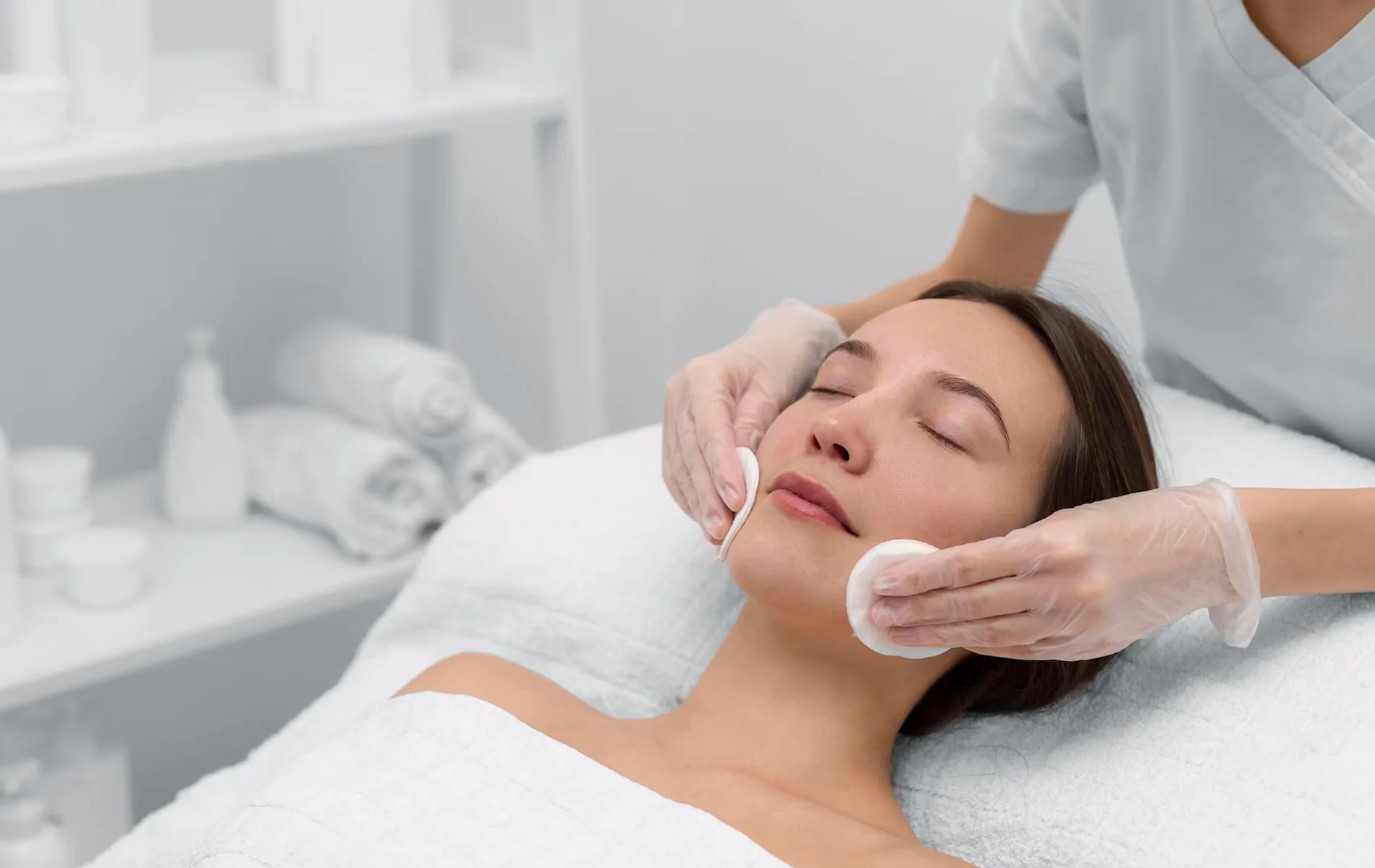
Are Chemical Peels Safe for All Skin Types?
Chemical peels remain some of the most popular treatments used to improve the texture and appearance of the skin. However, safety concerns for different skin types remain one of the bones of contention. It thus remains critical to know how chemical peels interact with the various skin types to decide whether or not to undergo a chemical peel.
What is a Chemical Peel?
A chemical peel is a cosmetic treatment in which the application of a solution to the skin causes it to exfoliate and eventually peel off. It’s the application of a chemical solution to the skin, causing it to exfoliate and eventually peel off. The new skin will grow in its place, usually much smoother and less wrinkled than the old skin.
Types of Chemical Peels
The three basic categories of chemical peels are superficial, medium, and deep. Superficial peels are mildest for all skin types. On the contrary, medium-depth peels are directed toward deeper skin levels and are suited for most skin types. Deep peels are the more aggressive ones in the series and are mostly used where specific skin problems exist.
Safety Issues of Different Skin Types
The skin type is a vital consideration in choosing what will be the safest for application. A peel, especially of the chemical category, can easily be withstood by normal skin types with little possibility of complications.
Sensitive Skin
The skin tends to be more sensitive and prone to irritation due to certain chemicals in peels. One should go for a milder peel and do a patch test beforehand.
Dry Skin
Chemical peels would benefit dry skin types but might require extra moisturizing treatment post-treatment to prevent further drying out of the skin.
Oily Skin
Chemical peels generally improve oily skin; they help control sebum excretion and reduce acne.
Combination Skin
Combination skin should be treated thoughtfully since the different areas of the face may respond differently to the chemicals in the peel.
Consultation with a Dermatologist
Before undergoing a chemical peel, consult with a dermatologist. The type of skin that you have, the existing conditions of your skin, and the best kind of chemical peel for you can all be determined.
Possible Side Effects
Although chemical peels are generally safe, side effects may occur in some cases and could manifest in reddening, swelling, itching, and peeling. These are almost always transient and eventually disappear with the natural skin healing.
Conclusion
In conclusion, most skin types can safely undergo chemical peels. They can be carried out effectively under the guidance of a qualified dermatologist. It will help in identifying the type of skin you have so that a peel type can be chosen correctly for desired effects while reducing risks at the same time. It’s always much better to get professional help to have a positive experience with a chemical.
Disclaimer: This blog post is for informational purposes only and does not constitute medical advice. Consult a qualified healthcare professional for personalized recommendations.