
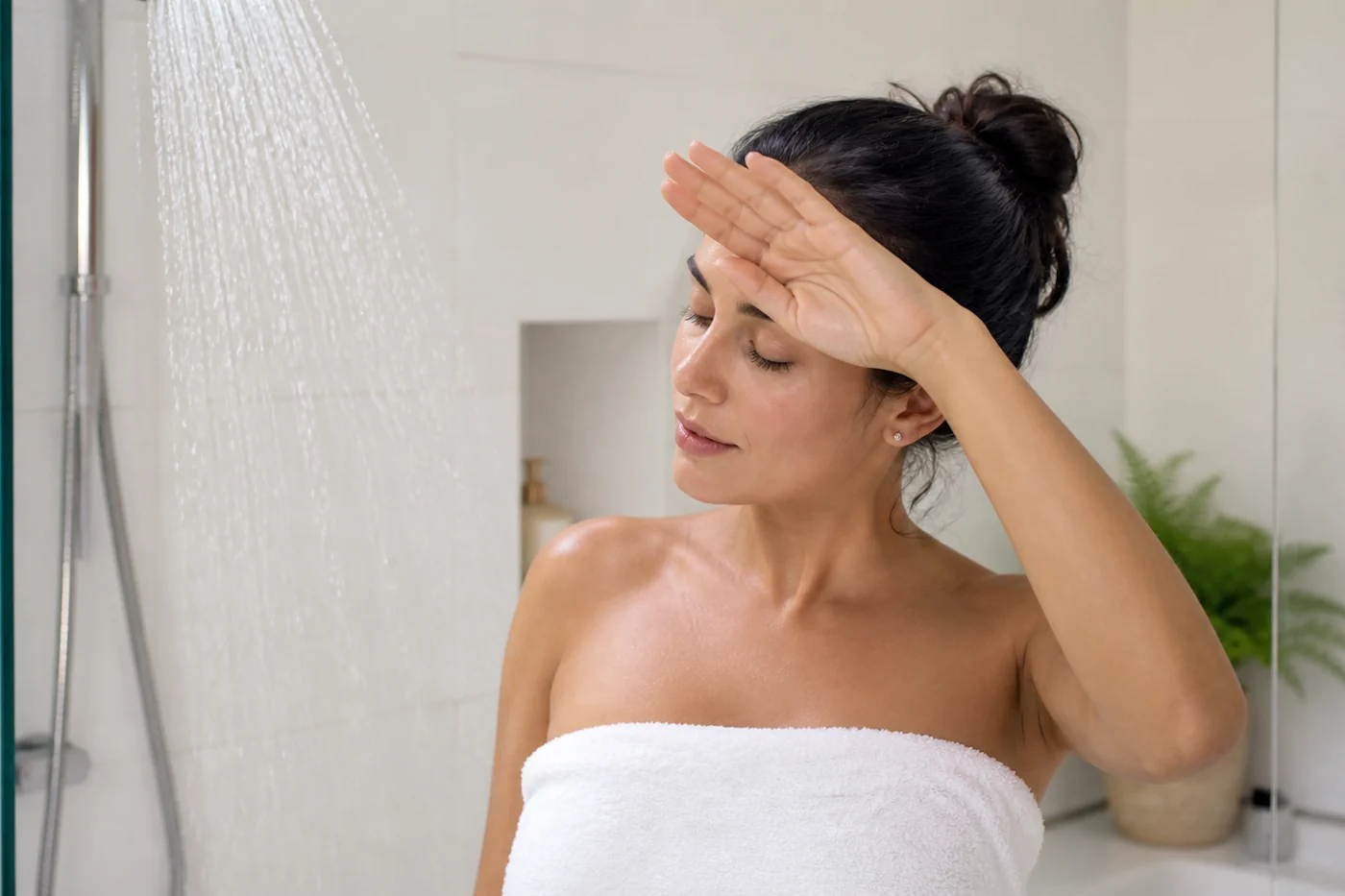
Can I Get My Brows Wet in the Shower After Microblading?
No. During the first ten days after microblading, you must keep your brows completely dry. This includes the shower. Water is one of the biggest threats to fresh microblading, and getting your brows wet too soon is one of the most common reasons people end up with patchy, faded, or uneven results.
Why Water Is So Damaging in the Early Healing Stage
When your technician completes the microblading procedure, they have deposited pigment into the uppermost layers of your skin. At this point, the skin is essentially an open wound. The tiny incisions are fresh, the pigment has not yet bonded properly with the surrounding tissue, and the area is extremely vulnerable to anything that disrupts the healing process.
Water softens the skin. When softened skin swells around those fresh incisions, it physically pushes the pigment out before it has a chance to settle. Even a light splash can draw pigment to the surface along with moisture as the skin dries. The result is patchy strokes, uneven colour, and poor retention that no amount of touch-up work can fully correct.
Steam makes things worse. A hot shower produces significant steam, which opens the pores and creates a warm, moist environment directly around the brow. This is precisely the kind of condition that accelerates pigment loss and invites bacteria into healing skin.
How to Shower Without Wetting Your Brows
You do not need to avoid showering altogether. You simply need to keep water away from your brows, specifically. Tilt your head back when washing your hair so the water runs away from your face rather than over it. Keep the shower pressure moderate rather than powerful, and avoid standing directly under the showerhead with your face pointing upward.
Some clients apply a thin layer of petroleum jelly or a specialist aftercare balm over the brows before stepping into the shower. This creates a temporary water-resistant barrier. Do not apply thick layers, as the brows still need to breathe, but a thin, even coat offers meaningful protection during the first week or so.
Wash your face with a damp cloth or cotton pads carefully around the brow area, never directly over it. Keep facial cleansing away from the brow line for the full ten-day period.
What Happens If You Accidentally Wet Them
Do not panic if a small amount of water touches the area. Gently pat the brows dry immediately using a clean, soft tissue. Do not rub. Rubbing pulls at the healing skin and can lift pigment directly out of the strokes. A single splash is unlikely to ruin your results entirely, but repeated or prolonged exposure will.
If you soaked the area significantly, contact your technician. They can assess whether the pigment has been affected. They can also advise whether any adjustments are needed at your follow-up appointment.
When Can You Shower Normally Again?
After 10 days, most clients can return to normal showering habits. The skin has typically completed the surface healing stage by this point, and the pigment has bonded adequately with the tissue. However, even after this window, avoid direct high-pressure water on the brows and very hot steam for another few weeks. The deeper layers of skin continue to settle for up to six weeks post-procedure.
Swimming and Other Water Exposure
The same rules apply to swimming pools, saunas, steam rooms, and the sea. Chlorine is particularly aggressive on fresh microblading pigment. It should be avoided for a minimum of 4 weeks. Salt water draws moisture from the skin and interferes with pigment retention in a similar way.
Aftercare Determines Your Results
Your technician’s skill gets the pigment into the skin. Your aftercare determines whether it stays there. Keeping your brows dry in those critical first ten days is the single most important thing you can do to protect your results and avoid the need for additional correction work.