
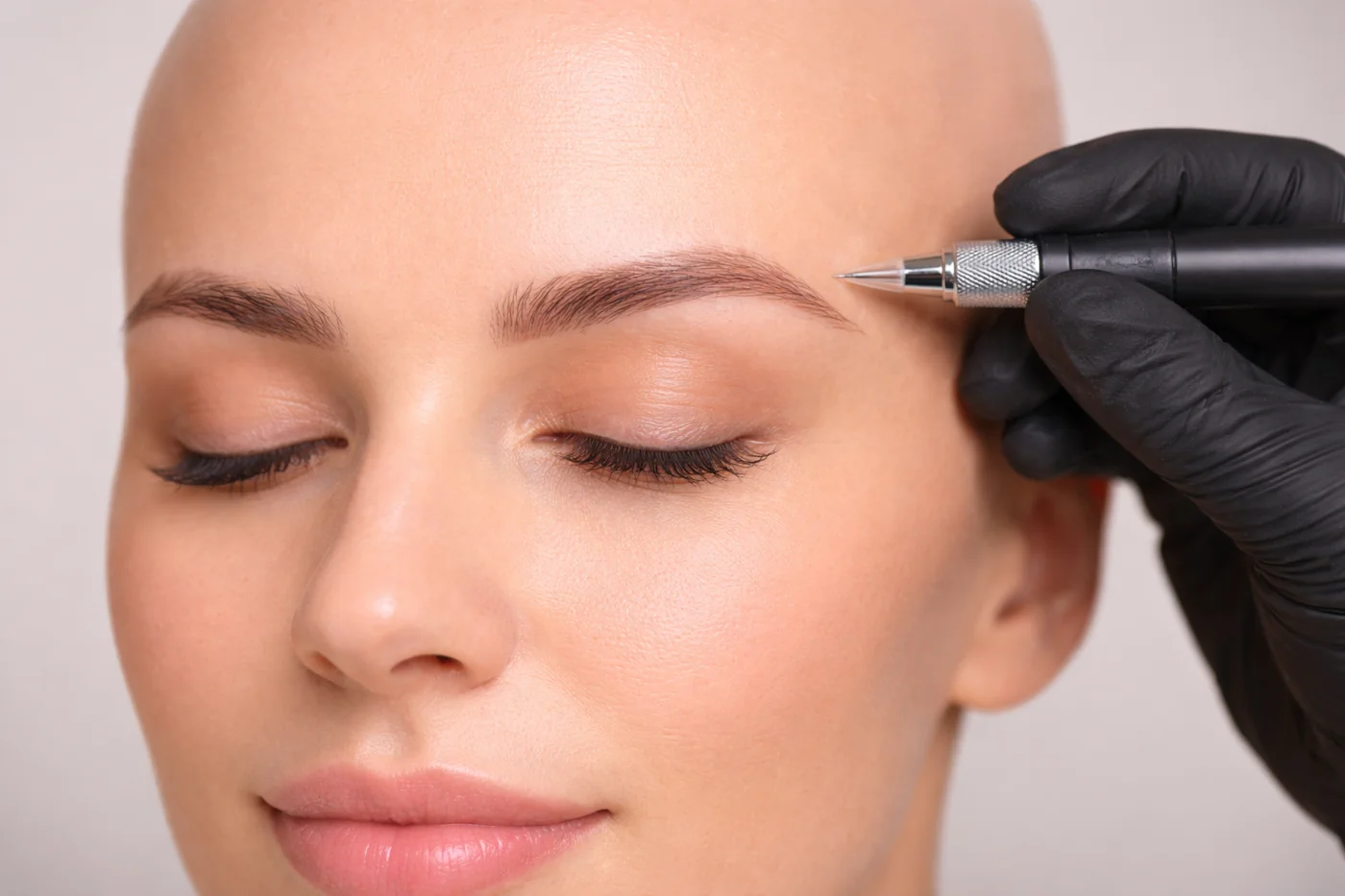
Is Microblading Safe for People with Alopecia?
Living with alopecia changes more than hair growth. It alters how the face looks, especially when eyebrows thin or disappear completely. Brows frame the eyes. They shape facial balance. When they vanish, many people feel that their expression fades.
Microblading offers a realistic solution for those experiencing brow loss due to alopecia. This technique uses a fine blade to place semi-permanent pigment into the skin, with the strokes mimicking natural brow hairs. For many people with alopecia, the treatment restores definition, symmetry, and confidence.
Safety remains the first concern. People often ask whether microblading is suitable for alopecia conditions, especially when the skin feels sensitive or fragile. When performed correctly by a trained artist, the procedure remains safe and well-tolerated for most individuals with alopecia.
Understanding Alopecia and Brow Hair Loss
Alopecia refers to autoimmune hair loss. The immune system attacks hair follicles. Hair falls out in patches or across the entire scalp and body. Eyebrows often thin first. In some cases, they disappear completely.
Several forms of alopecia affect brow growth:
Alopecia Areata causes patchy hair loss. Small, round bald spots appear suddenly. Brow hairs may thin unevenly.
Alopecia Totalis removes all scalp hair. Brows often become sparse or vanish entirely.
Alopecia Universalis affects the entire body. Eyelashes and brows may not return.
Without brow hair, the face loses visual structure. Microblading restores that structure through carefully placed pigment strokes.
How Microblading Works on Hairless Brows
Microblading differs from traditional tattooing. Artists use a manual hand tool made up of several fine needles arranged in a blade shape. The tool creates shallow strokes in the upper skin layer (the epidermis). Pigment, a colored ink specifically for skin, settles into those strokes.
Each mark imitates a single hair strand. When placed correctly, the strokes build a natural brow pattern that blends with the skin tone.
People with alopecia often have smooth, hair-free brow skin. This condition actually helps the artist. The technician designs the entire brow shape without interference from existing hair. Every stroke follows a planned direction.
The result looks soft and realistic. Many clients say their brows look more defined than ever.
Safety Considerations for Alopecia Clients
Microblading remains safe for most people with alopecia when several conditions are met.
First, the skin must appear healthy and stable. Active inflammation or broken skin can increase irritation. A skilled artist inspects the brow area before treatment.
Second, the technician must use sterile (completely clean and free of bacteria) equipment and medical-grade pigment (high-quality, safe colouring). Professional studios follow strict sanitation practices. Single-use blades prevent contamination (the spread of germs).
Third, the artist must control pigment depth and pressure. Alopecia skin sometimes appears thinner than average. Gentle technique prevents trauma.
A proper consultation always comes first. During this meeting, the technician reviews medical history, medications, and skin sensitivity. This step helps ensure a safe procedure for the client (the person receiving treatment).
Patch Testing Protects Sensitive Skin
Some people with autoimmune conditions experience heightened skin reactions. A patch test helps rule out pigment sensitivity.
The technician places a small dot of pigment behind the ear or on the inner arm. The client monitors the area for 24 to 48 hours. Redness or swelling indicates sensitivity.
Most professional pigments (colourants used in microblading) contain iron oxide or mineral bases, which rarely trigger allergies. Still, patch testing (testing a small amount on the skin) adds a layer of safety.
Healing Expectations for Alopecia Skin
Healing often progresses smoothly. The skin forms light scabs over the microbladed strokes during the first week. These flakes fall away naturally.
People with alopecia usually follow the same healing timeline as other clients. The brows appear darker at first. After the skin heals, the colour softens into a natural brown tone.
Clients should avoid water saturation, sweating, and makeup around the brows during early healing. Clean skin allows the pigment to settle evenly.
A touch-up appointment usually takes place four to eight weeks later. The artist fills any light areas and refines the shape.
Choosing the Right Brow Shape for Alopecia
Design matters. The technician must consider facial proportions, eye spacing, and bone structure. Alopecia clients rely entirely on the microbladed design, since no natural hair remains.
A skilled artist begins by mapping the brow using precise facial measurements. This process ensures symmetry. The technician then sketches the shape before starting the procedure.
Natural brows rarely look identical. A good design reflects this reality. Slight variations keep the result looking soft and believable.
Pigment colour also plays a key role. Artists select shades that match the skin tone and hair colour, even if scalp hair is absent.
Long-Term Maintenance for Microbladed Brows
Microblading does not last forever. The pigment fades gradually as the skin renews itself. Most clients schedule annual colour boosts to keep the brows defined.
Sun exposure speeds up fading. Daily use of SPF (sun protection factor) lotion or cream on the brow area helps preserve pigment. Gentle skincare products also protect the strokes.
Clients with alopecia often prefer slightly bolder pigment tones during the first appointment. As the colour softens, the brows maintain a natural appearance.
Regular maintenance keeps the brows looking consistent and balanced.
Confidence and Facial Balance After Treatment
For people with alopecia, microblading restores more than eyebrow shape. It restores facial harmony. The eyes appear brighter. Expressions become clearer.
Many clients report a strong emotional shift after treatment. They spend less time drawing brows each morning. Swimming, workouts, and daily life feel easier without worrying about makeup.
Microblading provides a reliable solution for individuals who live with permanent or long-term eyebrow loss. With careful technique and proper consultation, the procedure remains both safe and effective for people with alopecia.