
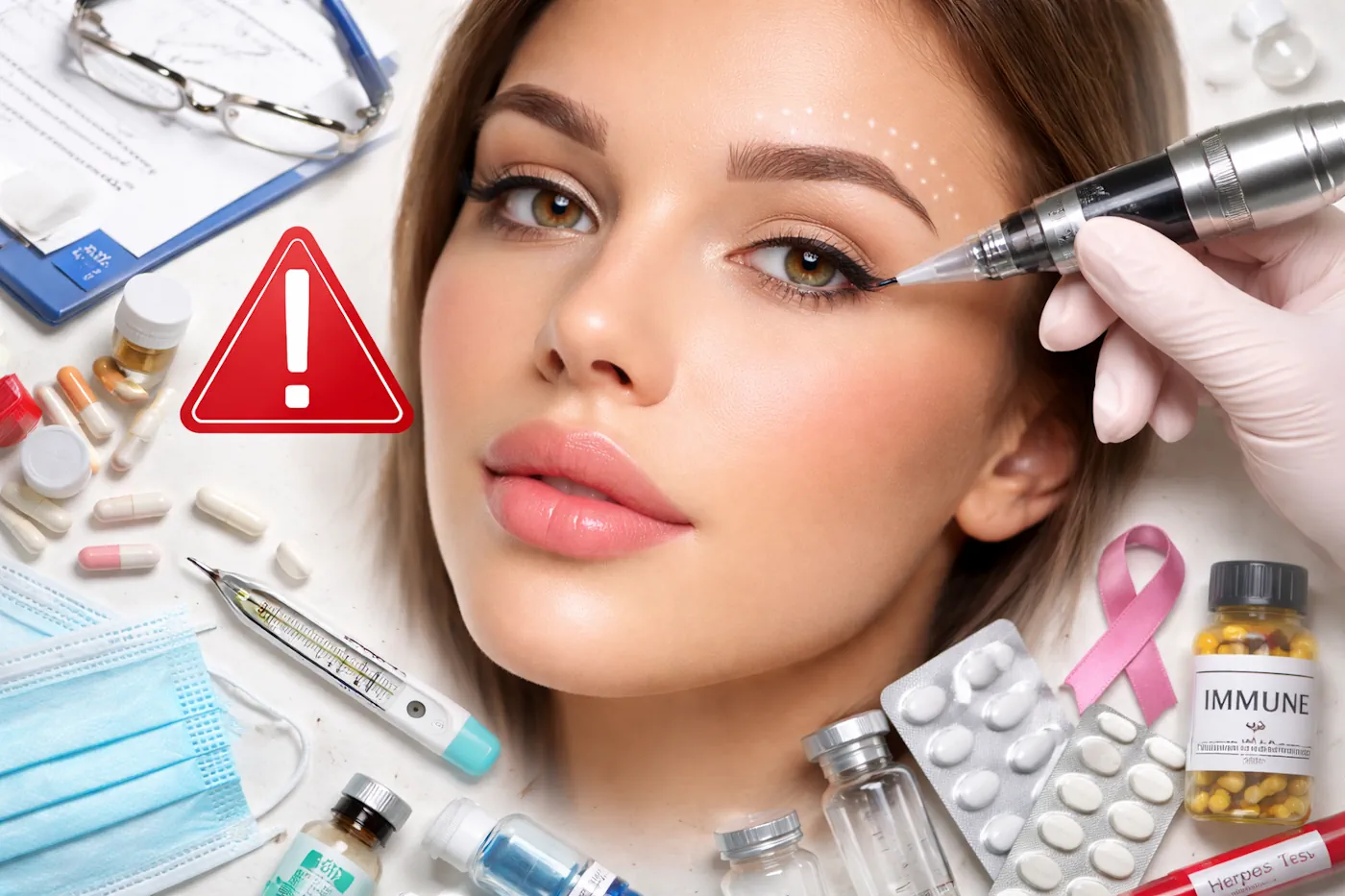
Permanent Makeup Contraindications
Introduction
Permanent makeup, also known as micropigmentation, involves inserting pigment into the skin to create long-lasting cosmetic effects. While it offers convenience and enhances facial features, not everyone is a suitable candidate for permanent makeup. Understanding contraindications is crucial for safety and optimal results. Ignoring these factors can lead to poor outcomes, infections, or severe complications.
Medical Conditions
Certain medical conditions make permanent makeup unsafe. These include:
- Diabetes: Especially if uncontrolled, as it slows healing and increases the risk of infection.
- Blood Disorders: Conditions like haemophilia or clotting deficiencies can cause excessive bleeding during the procedure.
- Autoimmune Conditions: Lupus, scleroderma, or similar disorders may lead to delayed healing or adverse pigment reactions.
- Cancer Treatment: Individuals undergoing chemotherapy should avoid permanent makeup until fully recovered, due to compromised immunity.
Skin Conditions
Active skin issues can interfere with pigment retention and healing. Risks include:
- Eczema, psoriasis, or dermatitis in the treatment area can increase irritation or uneven pigment absorption.
- Severe acne or open wounds must heal completely before treatment.
- Keloid-prone skin is at risk of raised, thick scars, making eyebrow or lip pigmentation unsuitable.
- Sunburned or recently tanned skin may react unpredictably, affecting colour and healing.
Pregnancy and Nursing
Permanent makeup is not recommended during pregnancy or breastfeeding. Pigments may contain ingredients with unknown effects on foetuses or infants. Hormonal changes can also alter healing and pigment retention.
Medications and Treatments
- Blood thinners such as warfarin or aspirin may cause excessive bleeding.
- Retinoids and acne medications like isotretinoin can thin the skin, reducing pigment retention and increasing scarring risk.
- Steroids or immunosuppressants raise infection risk and slow healing.
- Patients should disclose all medications before treatment.
Allergies
Allergic reactions to pigments or anaesthetics are possible. Individuals with known pigment allergies or sensitivities to lidocaine or topical anaesthetics should avoid treatment or undergo patch testing. Reactions range from mild redness and swelling to severe inflammation or scarring.
Infections
Active infections—such as cold sores, fungal infections, or bacterial skin infections—make permanent makeup unsafe. Performing procedures on infected skin can worsen the condition and increase the risk of spreading bacteria or viruses.
Psychological Considerations
Permanent makeup requires realistic expectations. Individuals with body dysmorphic disorder or severe anxiety about appearance may not respond well. Consultation ensures mental preparedness and informed consent.
Recent Cosmetic Procedures
Areas recently treated with chemical peels, laser resurfacing, or Botox require healing before permanent makeup. Interfering with skin recovery can cause uneven colour, poor pigment retention, or scarring. A waiting period of several weeks is often necessary.
Conclusion
Permanent makeup offers long-lasting aesthetic benefits, but it is not suitable for everyone. Awareness of medical, skin, and lifestyle contraindications ensures safety and quality results. A thorough consultation with a trained professional helps identify risks and determine if the procedure is appropriate. Avoiding treatment under unsafe conditions reduces complications, improves healing, and maximises satisfaction with the final appearance.