
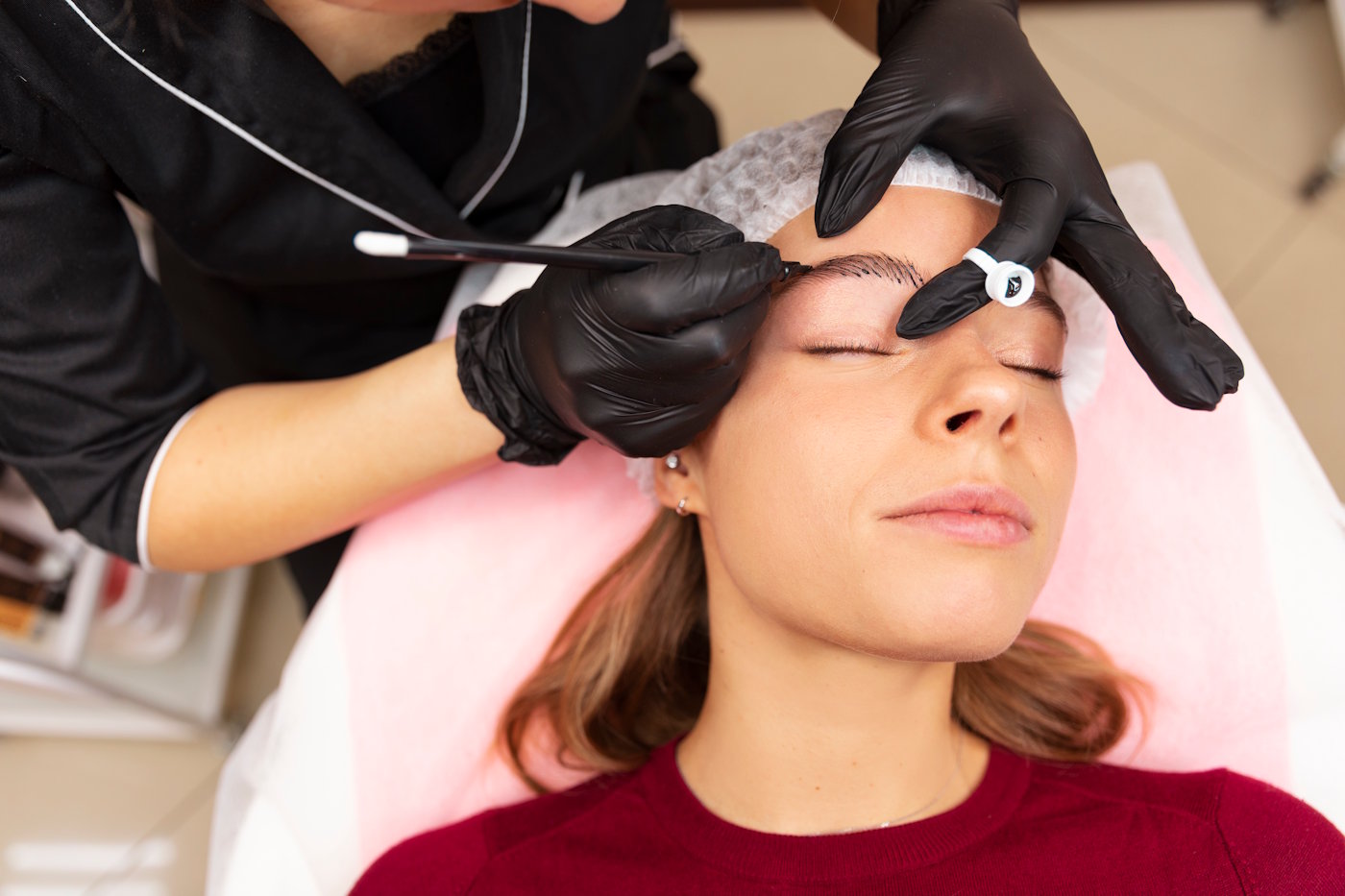
Does Permanent Makeup Hurt?
The thought of having pigment applied beneath the skin can sound uncomfortable, but modern permanent makeup is gentler than most people expect, thanks to advances in technique, numbing products, and equipment. Most clients describe the sensation as mild scratching or tingling rather than pain.
Understanding What Happens During Permanent Makeup
Permanent makeup uses ultra-fine needles to deposit pigment into the upper layers of the skin. Unlike traditional tattoos, which deposit pigment deeper, permanent makeup places pigment closer to the surface. This comparison means that permanent makeup is less invasive and typically causes less discomfort. Treatments such as microblading, lip blush, and eyeliner tattooing use precise digital devices or manual tools designed specifically for subtle, cosmetic enhancements.
Before the procedure, the artist applies a topical numbing cream to the area, dulling the nerve endings to reduce sensitivity. Once the skin feels numb, most clients describe only slight vibration or a light scratch. Sensation varies by area—lips tend to be more sensitive, while brows are usually the most comfortable.
What Does Each Treatment Feel Like?
Microblading feels like small paper cuts or light scratching. Most clients feel irritation, not pain. The sensation becomes less noticeable as the skin adjusts.
Lip Blush: Lips are sensitive due to more nerve endings, but strong numbing agents keep discomfort minimal. Most describe it as tickling or prickling that dulls as the session goes on.
Eyeliner Tattoo: Although the eye area may seem more intimidating compared to brows or lips due to its sensitivity, skilled technicians use techniques and strong anaesthetics to make eyeliner tattooing as tolerable as other treatments. Some clients experience mild watering of the eyes, but not pain.
Everyone’s pain threshold differs, but most clients find the treatment much less uncomfortable than they expected.
Factors That Affect Sensation
Several factors affect discomfort: skin sensitivity, hormones, and hydration. Treatment during menstruation or after caffeine increases sensitivity. Following pre-treatment instructions, like avoiding alcohol and heavy exercise, leads to smoother sessions.
The artist’s skill is crucial. Experienced professionals use gentle techniques that minimize skin trauma. Their control of pressure, depth, and pigment keeps the treatment comfortable.
What to Expect After the Treatment
After numbing wears off, the area may feel tender or tight, like a mild sunburn. This fades in one or two days. Redness or swelling is temporary. Use the aftercare ointment to soothe and help with healing.
Do not touch the area or apply makeup during healing. Keep skin clean and hydrated for faster recovery and even color results.
Pain Level vs. Results
The minor discomfort from permanent makeup is brief compared to the long-term benefits. In comparison to the time and effort of daily makeup, the results — such as shaped brows, defined lips, and subtle eyeliner — last for years. Clients often say the treatment was easier than expected and worth the temporary sensitivity, especially when compared to traditional tattooing or routine cosmetics.
Final Thoughts
Permanent makeup, when performed correctly, should not be painful. With proper numbing, advanced tools, and a qualified artist, the treatment is brief and manageable. If fear of pain has held you back, today’s techniques are designed to be gentle, safe, and easy to tolerate.